Tanya Hicks

People cannot truly become their authentic selves unless they have sovereignty over their own lives.

  • Author & speaker
  • Counsellor (ACA R82053)
  • NDIS Behaviour Support Practitioner (P1362818)
  • Framework developer
  • Founder, Neurodivergent Empowered
The central question

Who gets to decide what a person’s life should look like?

That is sovereignty. My work is not about changing people. It is about creating the conditions where people can safely become their authentic selves.

That is why these words keep appearing:

  • Access
  • Safety
  • Choice
  • Voice
  • Belonging
  • Capacity
  • Consent
  • Holding
  • Understanding
  • Partnership

They are all prerequisites for sovereignty.

What my work is really about

I teach the conditions.

  • I do not actually teach authenticity.I teach the conditions that make authenticity possible.
  • I do not teach confidence.I teach the conditions where confidence naturally grows.
  • I do not teach independence.I teach environments where interdependence does not remove agency.
  • I do not teach regulation.I teach access.
  • I do not teach resilience.I teach conditions that reduce unnecessary suffering.

Human beings flourish when they have genuine authority over their own lives, within relationships and communities that can hold them.

The work moves outward

From the person, into systems.

01

The person

Understanding your experience restores your ability to make informed choices instead of living inside everyone else’s interpretations.

02

Relationships and support

Support should never replace a person’s voice. It should increase their influence over their own life.

03

Professional practice

Professionals must ask whether a person has genuinely had access before interpreting, assessing or intervening.

04

Systems

Good practice must be held through supervision, teams, organisations and systems that remain accountable to the person.

Free 2 B Me Practice Library

Eight connected books

The Free 2 B Me Practice Library develops these ideas across eight connected books. Four books explore the ideas from the perspective of people and families. Four companion books translate the same foundations into counselling, Positive Behaviour Support, supervision, team and organisational practice.

Book 1

It Shouldn’t Be This Hard

The Hidden Cost of Living in Conditions That Don’t Fit

The world is not asking too much of you because you are broken. It is often asking too much because the conditions are not right.

Access to sovereignty
Professional companion

Access Before Intervention

A Neuroaffirming Framework for Counselling, Positive Behaviour Support and Disability Practice

Can professionals make valid decisions if the person has never truly had access? Whose knowledge counts?

Epistemic sovereignty
Book 2

You Make Sense

A Rights-Based Guide to Distress, Communication and Support That Helps

Your experiences, body and behaviour make sense. Understanding yourself restores your ability to make choices instead of living inside everyone else’s interpretations.

Internal sovereignty
Professional companion

Behaviour Makes Sense

Rights-Based Positive Behaviour Support Beyond Compliance

Behaviour is not something to eliminate. It is information from a person whose life belongs to them. Who gets to decide what behaviour means?

Interpretive sovereignty
Book 3

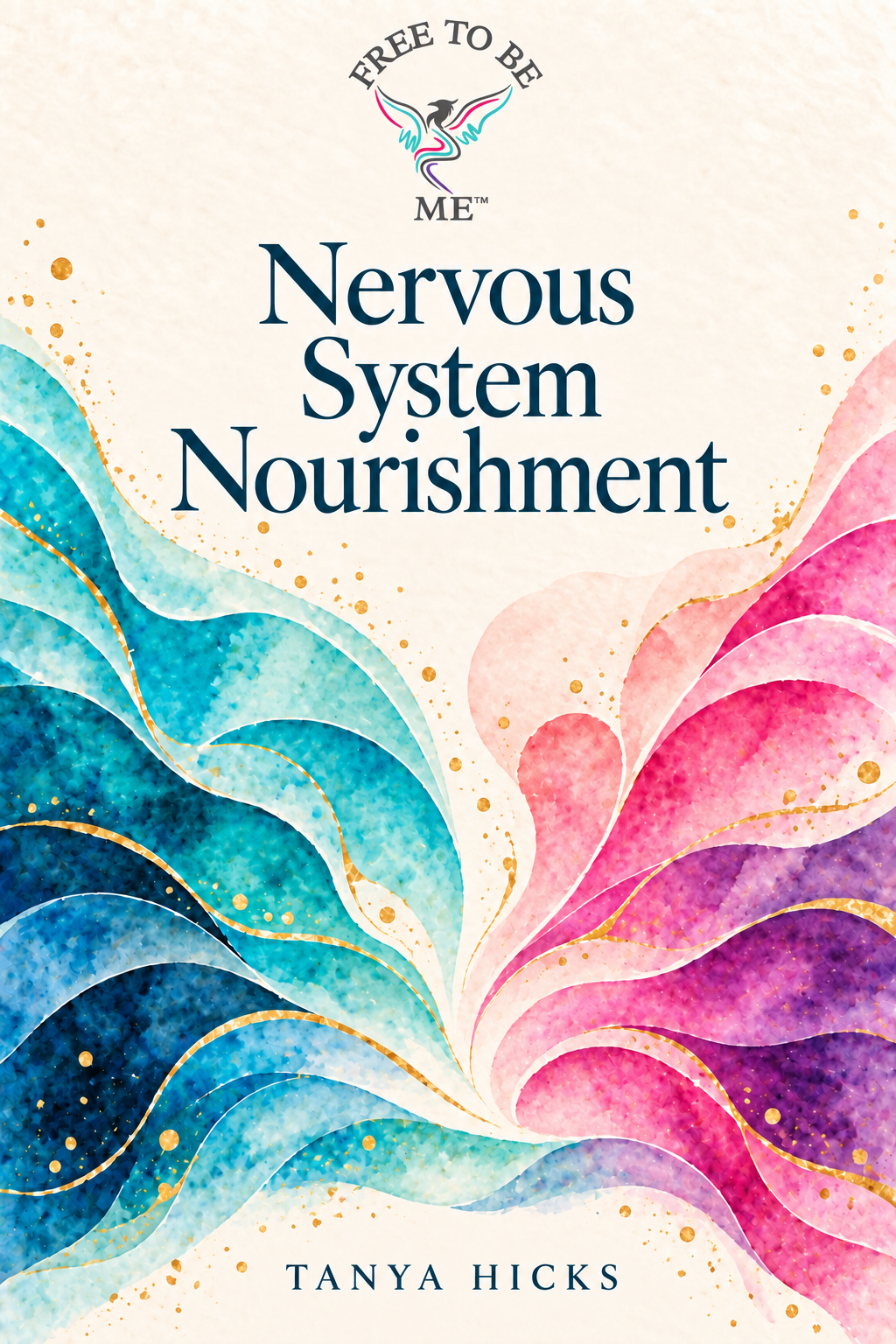
Nervous System Nourishment

Finding What Supports Your Brain and Body

Calm is not the goal. Having enough safety, access and choice to participate in your own life is.

Nervous-system sovereignty
Professional companion

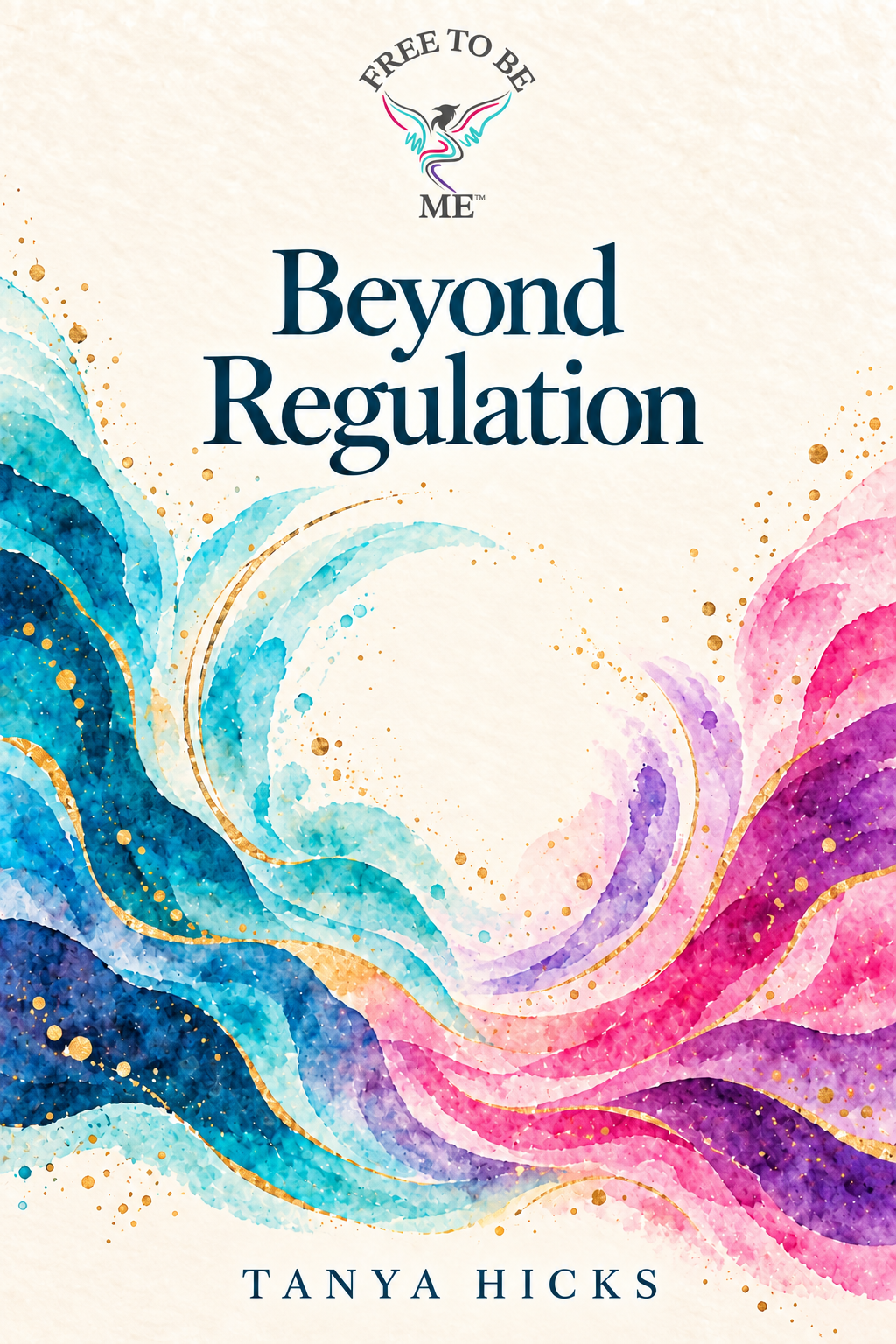
Beyond Regulation

Nervous System Nourishment in Counselling and Positive Behaviour Support

Are we helping someone participate? Or are we helping them look regulated enough for everyone else?

Embodied sovereignty
Book 4

Built With You

Why You Belong in the Design of Your Support and Your Life

Support should never replace your voice. It should increase your influence over your own life.

Shared sovereignty
Professional companion

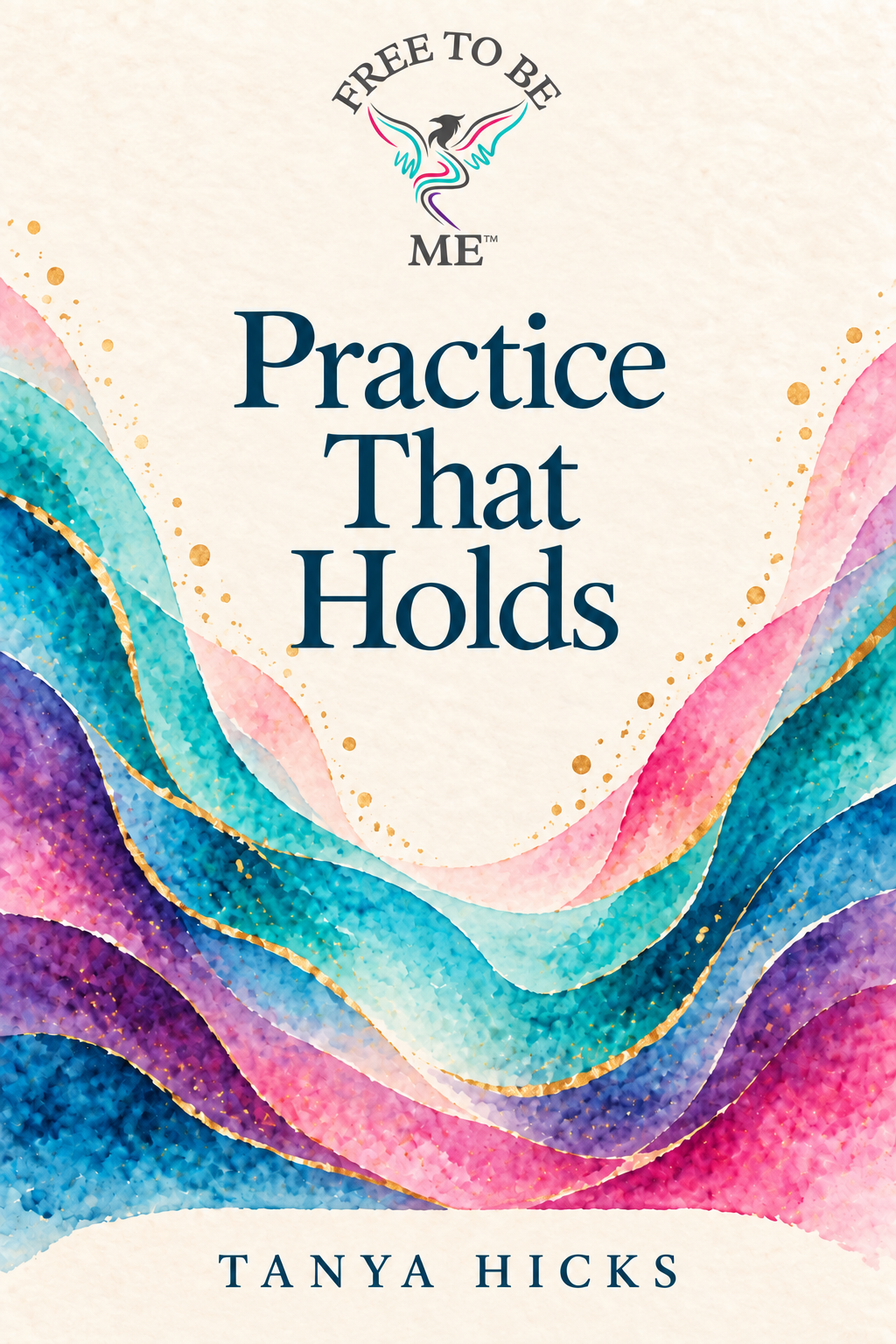
Practice That Holds

Supervision, Teams and Systems for Neuroaffirming Practice

Can organisations create environments where practitioners and participants retain their humanity?

Systemic sovereignty
Featured keynote
NATCA 2026 · Cinematic keynote film · 23 min

From Support to Sovereignty

Capacity follows conditions. Sovereignty follows safety.

The opposite of survival is not independence. It is sovereignty.

Speaking and professional learning

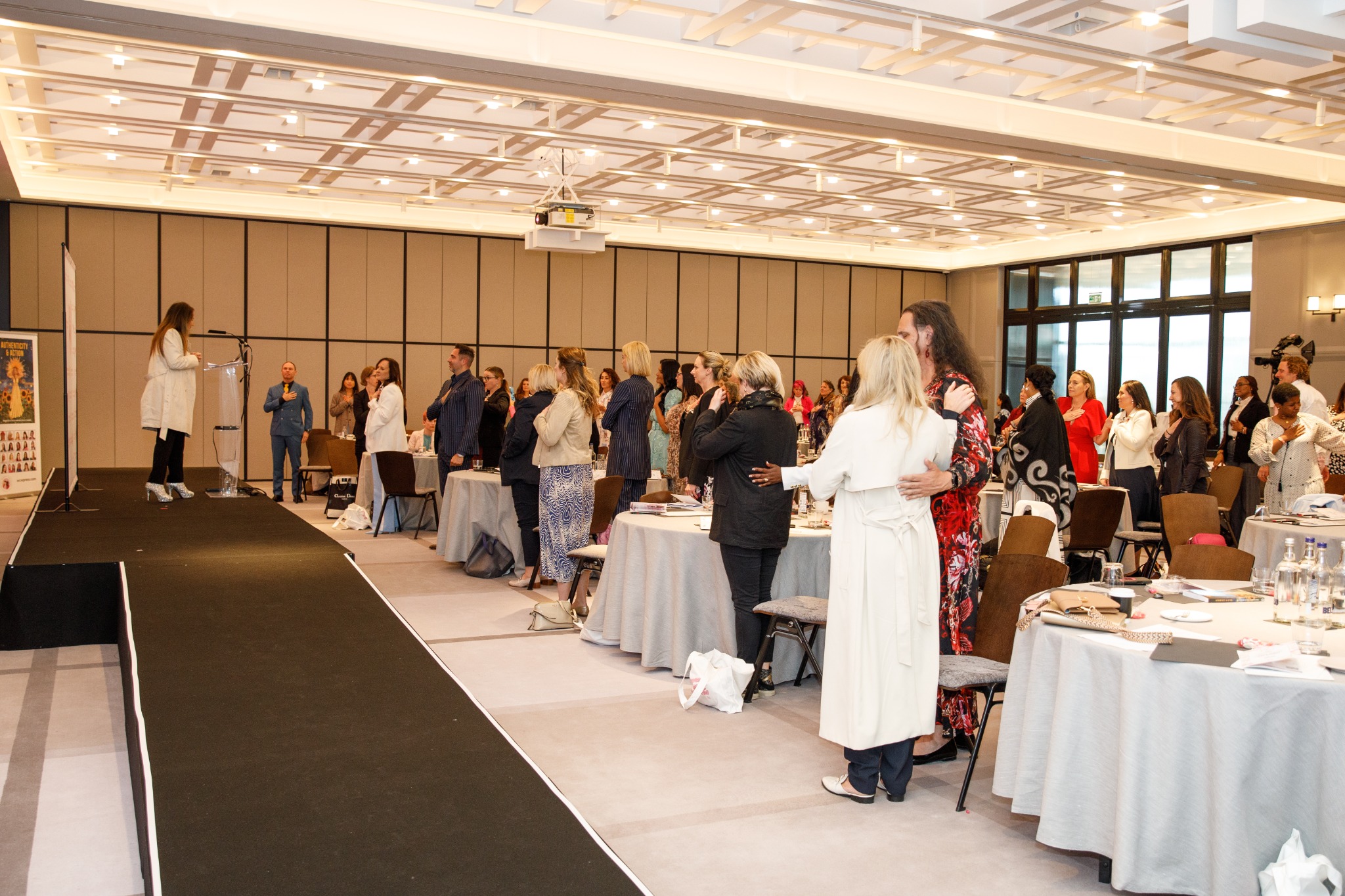
Bringing the work into rooms where practice and systems can change

Keynotes, workshops, professional learning, team development, supervision and reflective practice, and systems and organisational work - all returning to one question: who gets to decide what a person’s life should look like?

Tanya Hicks
About

About me

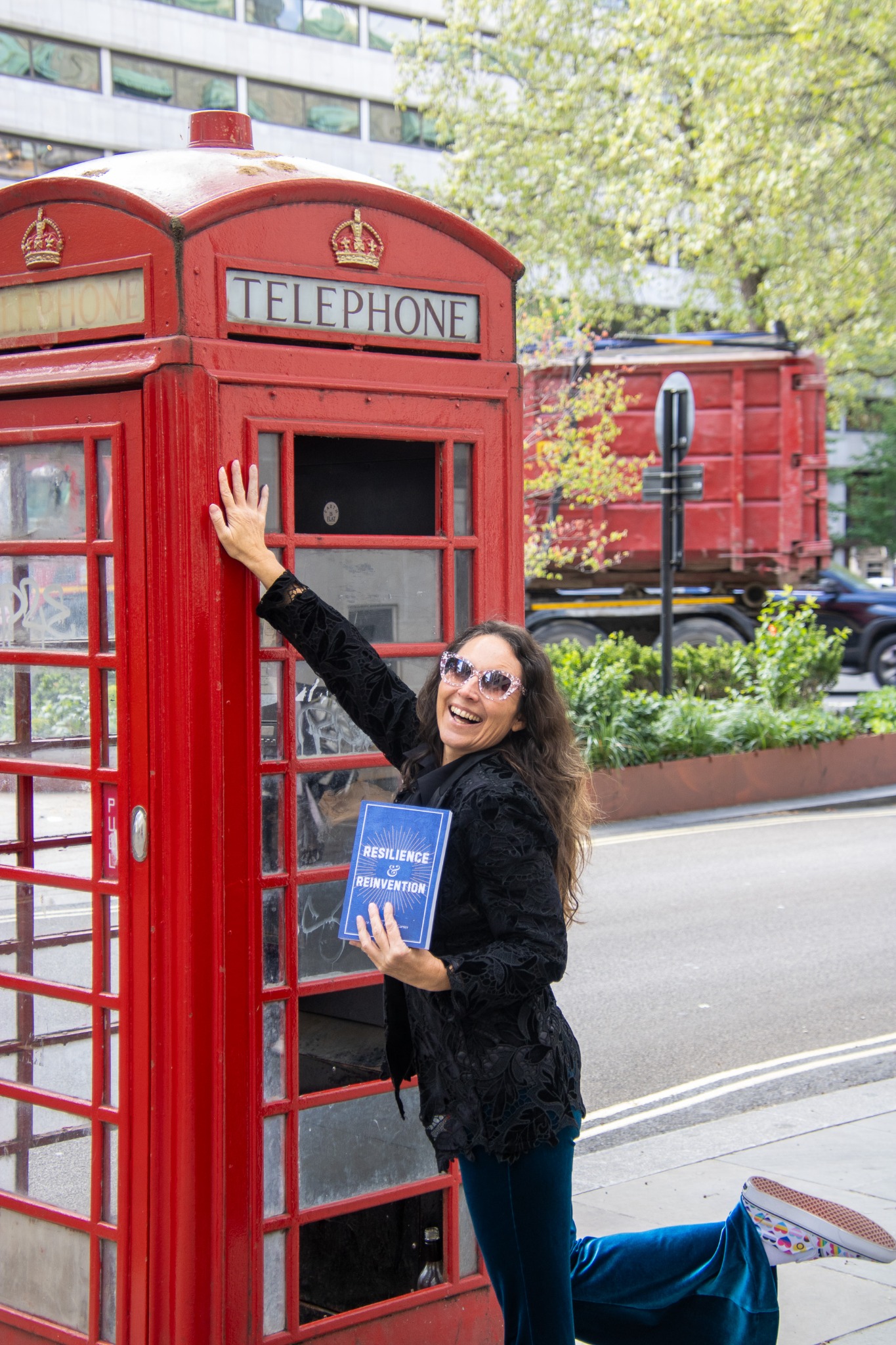
I am an Autistic author and practitioner, a counsellor and Behaviour Support Practitioner, a framework developer, researcher and speaker.

I founded Neurodivergent Empowered and Sparkly Aliens Inc., and I am the author of the wider Free 2 B Me body of work. My work asks a different question of practice - not “what can this person do?”, but “what conditions are shaping what we’re able to see?”

Counsellor (ACA R82053), NDIS Behaviour Support Practitioner (P1362818), and Master of Counselling candidate. I created the Sovereignty Conditions Audit.

Professional memberships
LOAPAC Affiliate Member Australian Counselling Association member

TanyaHicks.com is the home of my books, speaking, frameworks, research translation and professional learning. Participant supports are delivered separately through Neurodivergent Empowered and The Nest within the relevant practitioner’s qualifications, professional scope and active provider registration.

Where the work lives

One philosophy expressed in different ways

These are not unrelated brands. They are different expressions of the same commitment: creating the conditions where people can safely become their authentic selves and remain the primary authority over their own lives.

The deeper question remains

Who gets to decide what a person’s life should look like?

People make sense in context. Behaviour makes sense. Distress makes sense. Changes in capacity make sense.

Support should not be designed to make people appear more compliant, independent or typical. It should reduce unnecessary barriers, protect rights, support communication and build the conditions in which people can participate, recover, develop and belong.